
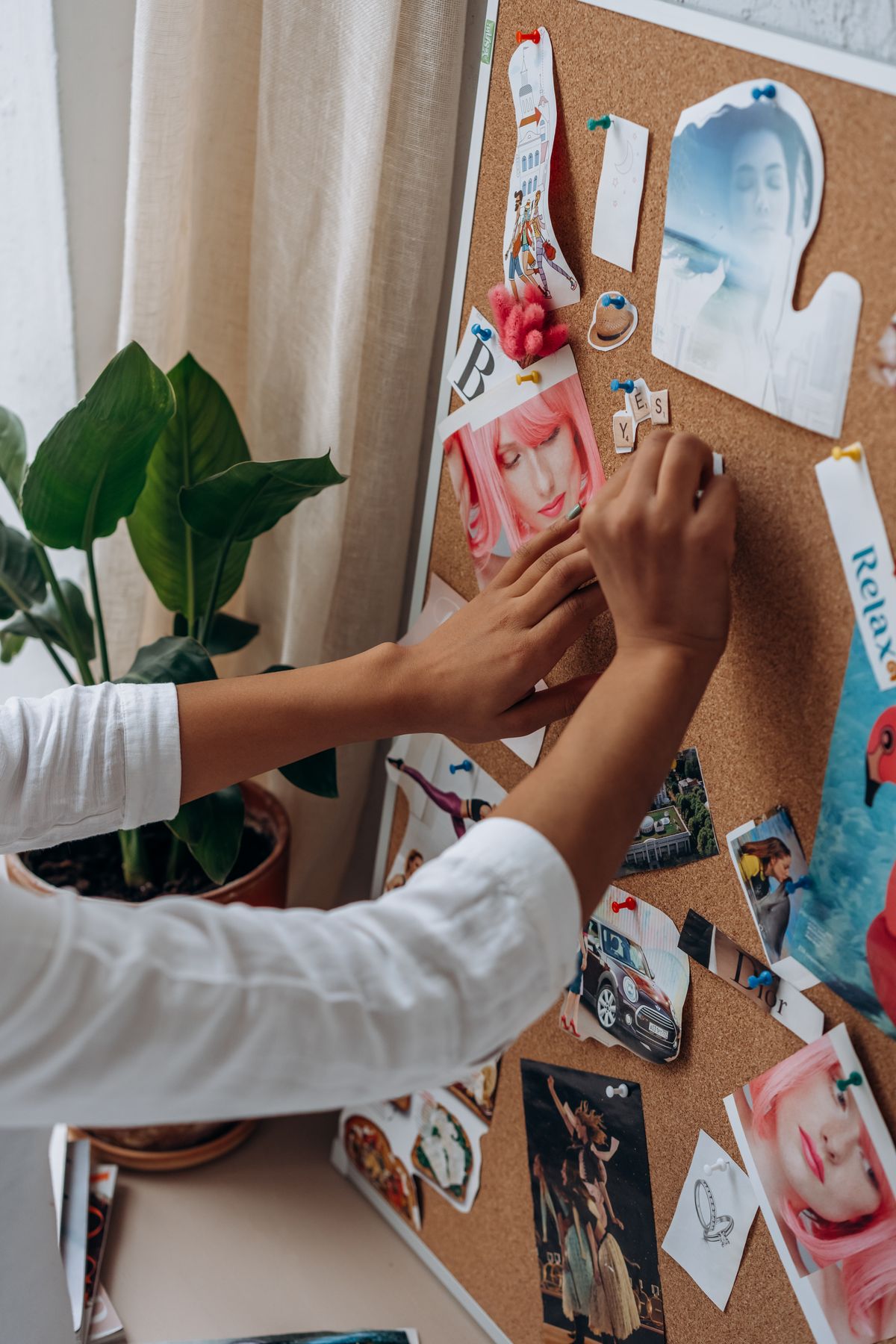
Ask most store owners about Pinterest and you'll get a shrug. It feels like the platform everyone forgot about somewhere around 2015, still associated with mood boards and wedding planning rather than actual sales.
Here's the part that surprises people once they look into it: Pinterest still sends a meaningful amount of traffic to ecommerce stores, often with less competition for attention than Instagram or TikTok, because almost nobody's bothering to show up there consistently. That gap is exactly why it's worth a second look.
Pinterest Isn't a Social Feed. It's a Search Engine That Happens to Be Visual
This is the single most important thing to get right in your head before doing anything else on Pinterest, because it changes everything about how you'd approach it.
Instagram and TikTok are built around people scrolling through what's happening right now, from accounts they already follow or a feed the algorithm thinks they'll like in the moment. Pinterest works closer to Google. Someone types "small kitchen organization ideas" or "fall candle aesthetic" because they're actively looking for something, often planning ahead rather than reacting to what's in front of them.
That difference matters for a store owner because it means a pin you post today can keep showing up in search results for months, sometimes years, long after an Instagram post has disappeared into the scroll. You're not fighting for a few hours of visibility. You're building something closer to a search listing.
Why It's Worth the Effort Even With a Small Following
On Instagram or TikTok, a small account mostly reaches its own followers, plus whatever the algorithm decides to hand out. On Pinterest, a brand-new account with zero followers can still show up for a relevant search, because Pinterest cares more about whether the pin matches what someone typed than how popular the account posting it is.
"You're not competing on audience size. You're competing on relevance, and relevance is something you can actually control."
That's a real advantage for a small ecommerce store that doesn't have a big following anywhere yet.
What Actually Works on Pinterest (And What Doesn't)
Pinterest punishes content that feels like an ad and rewards content that feels useful or aspirational. A plain product photo with "Buy Now" slapped on it tends to underperform. What works better:
- Product-in-context pins. Not a studio shot on a white background, but the product being used or styled the way a customer would actually encounter it, a candle on a shelf, a bag being carried, a skincare product on a counter.
- Idea-driven pins. Instead of "our new mug," something closer to "5 cozy autumn mug pairings," with your product featured as part of the idea rather than the entire pitch.
- Text overlay that reads like a headline. Since people are searching, not scrolling idly, a pin with a clear text overlay ("gift ideas under $30," "what to pack for fall") gives the algorithm and the viewer something to match against their search.
- Vertical images, roughly 2:3 ratio. Pinterest is built for tall pins. Square or landscape images get cropped awkwardly or buried.
The Keyword-Heavy Description Is Doing Real Work
This is the part most people skip entirely, and it's the part that matters most. On Instagram, your caption is mostly for tone and personality. On Pinterest, your description is closer to a product listing, and it's what tells Pinterest's search which queries your pin should show up for.
A vague description like "love this!" tells Pinterest nothing. A description like "cozy fall candle in cinnamon spice scent, perfect for autumn home decor and gift giving" gives it several search terms to match against, in language that sounds like how a person actually searches, not a keyword list stuffed together.
If you send Pinterest traffic to a store page or a printed insert, a QR code generator lets offline shoppers land on the same place. It works both ways, since a code on packaging can point customers to your Pinterest board.
The Catch: Consistency Is What Makes It Work
Pinterest rewards accounts that pin regularly far more than accounts that post once and disappear. Because pins have a long shelf life, the accounts that show up week after week end up with dozens or hundreds of pins circulating in search at once, each one a small, ongoing chance at traffic. An account with five pins total from eight months ago just doesn't have much working for it, no matter how good those five pins were.
This is also exactly why most small store owners give up on Pinterest before it has a chance to work. Posting consistently on one platform is hard enough. Adding a second one with its own format, its own image ratio, and its own description style on top of Instagram and TikTok is where it usually falls off the list.
Making Pinterest Part of the Routine Instead of an Afterthought
The honest fix here isn't "try harder to remember Pinterest." It's removing the extra manual step that makes it feel like a separate job in the first place. If you're already generating product videos and images for Instagram and TikTok, that same product catalog can feed Pinterest too, reformatted into the vertical pins and keyword-rich descriptions the platform actually rewards, without you opening a fourth app and starting from scratch.
VidyBack pulls from your product catalog to keep Pinterest posting consistent alongside Instagram, TikTok, Facebook, and YouTube, so it stops being the platform you meant to get to and starts being one more place your existing content quietly keeps working for you.
Pinterest isn't going to replace Instagram as where you build a following. But as a slow, steady source of traffic from people who are actually looking for what you sell, it's doing more than most store owners give it credit for, mostly because almost nobody else is bothering to show up.
Pinterest traffic isn't only digital, either. If you're using packaging inserts, market stall signage, or a business card to point people toward your Pinterest boards or store, VidyBack's free QR code generator turns any of those links into a scannable code in seconds, no account or watermark required.
Keep Pinterest Posting Consistent, Automatically
VidyBack turns your product catalog into pins for Pinterest alongside Instagram, TikTok, Facebook and YouTube, no extra app or manual work required.
Try VidyBack FreeWritten by VidyBack Team
Sharing what actually works for ecommerce social media automation.